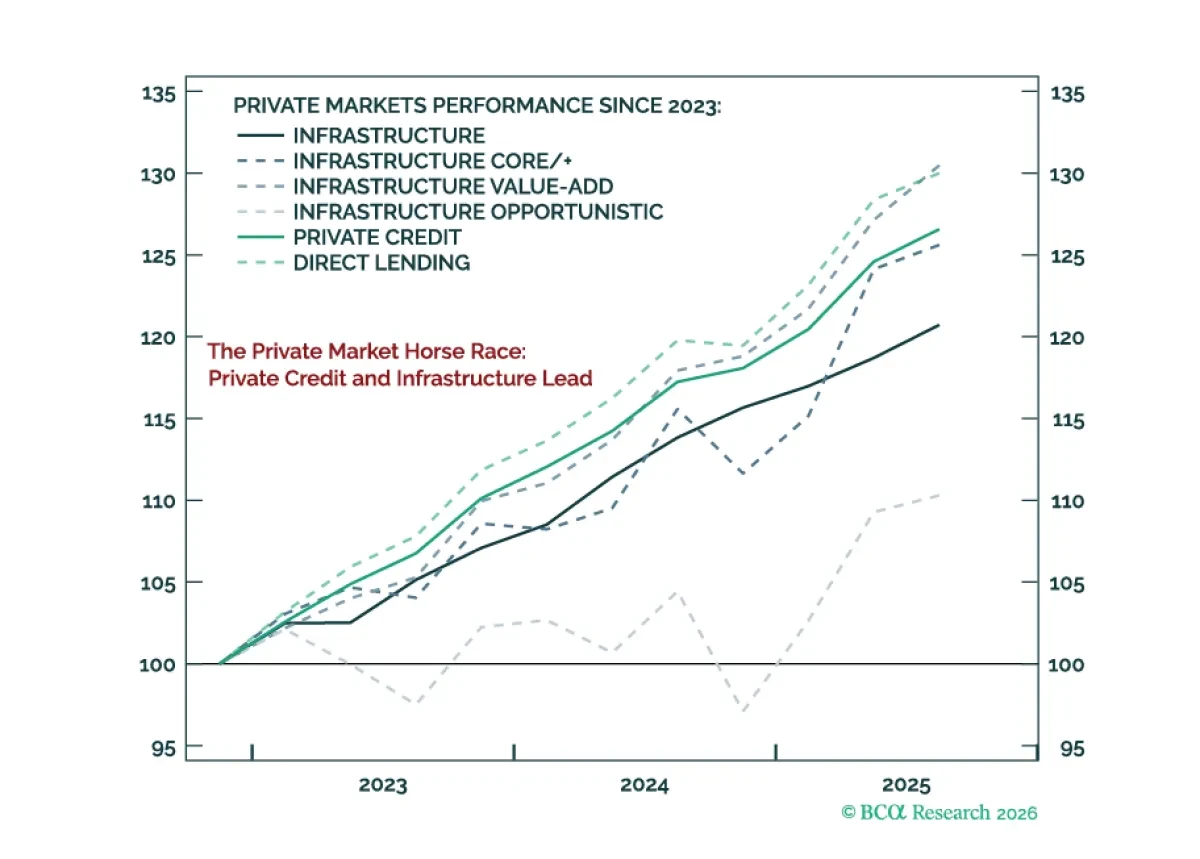
The 2026 next dollar playbook is about cross-asset relative-value investing. We move underweight Private Credit but not for reasons investors expect–BDCs are now longs. We shift to overweight Infrastructure and real assets more broadly–Publics included....
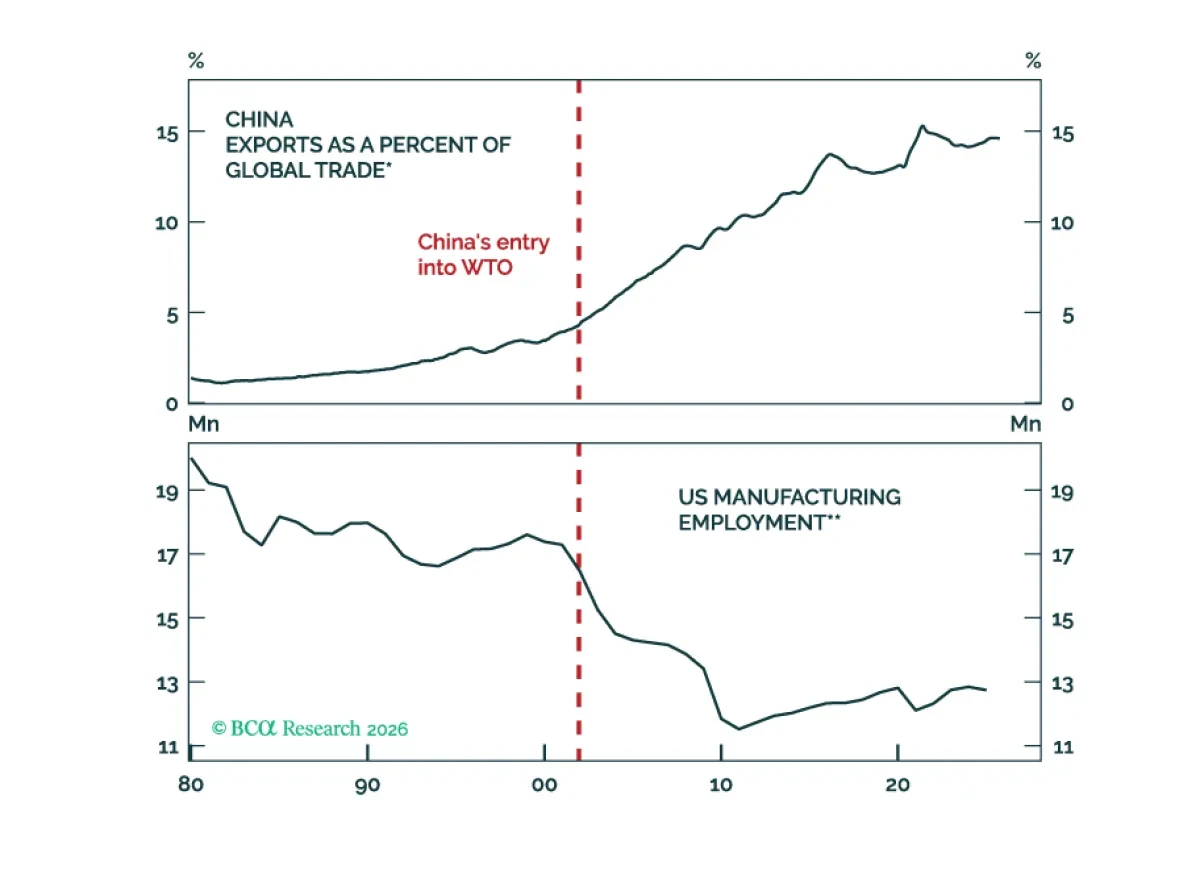
If humanoid robots were to become substitutable for workers, the AI age could lead to rapid growth in the size of the effective global labor force. The result could be a larger version of the “China shock,” which followed China’s entry into the global economy....
The Warsh Fed will run the US economy hot. This is bad for T-bonds and the dollar, but good for stocks. Plus, a new tactical trade is overweight Consumer Discretionary (RXI) versus Industrials (EXI)....
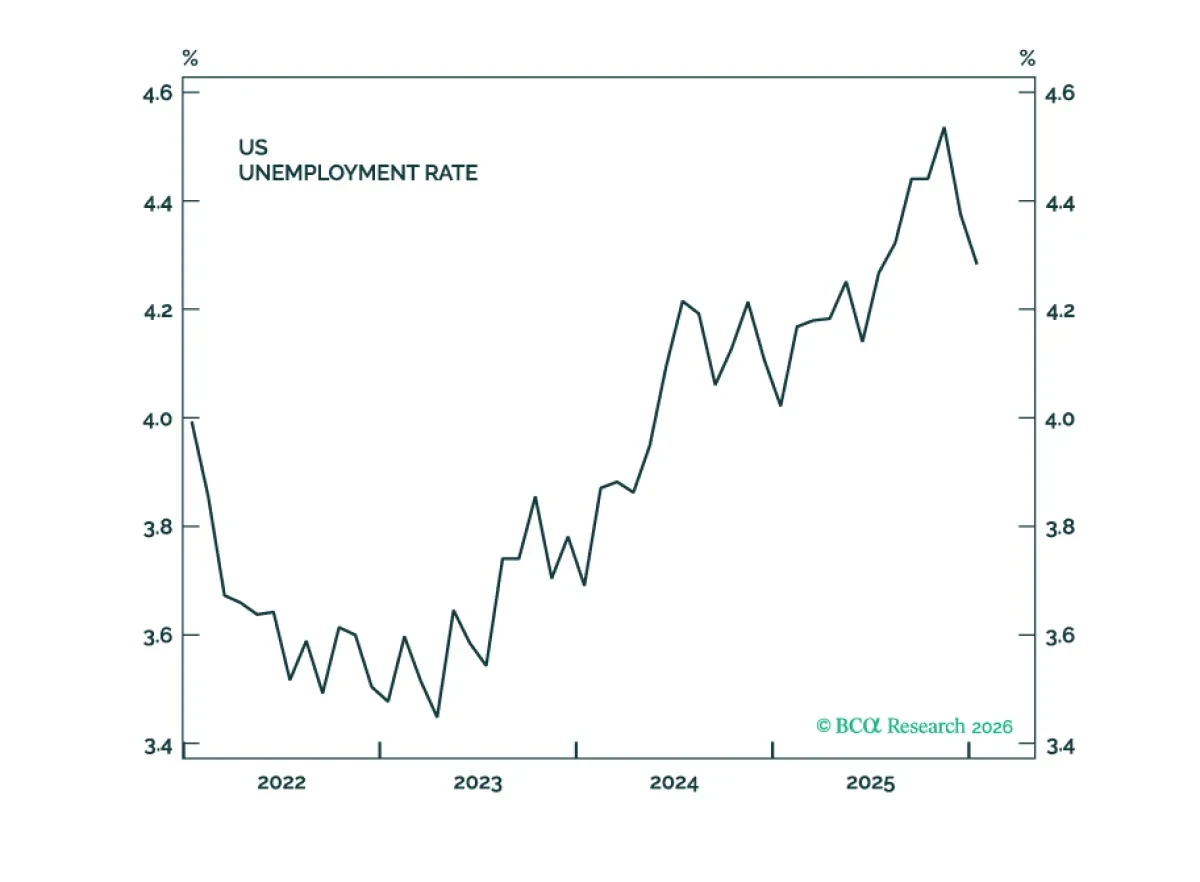
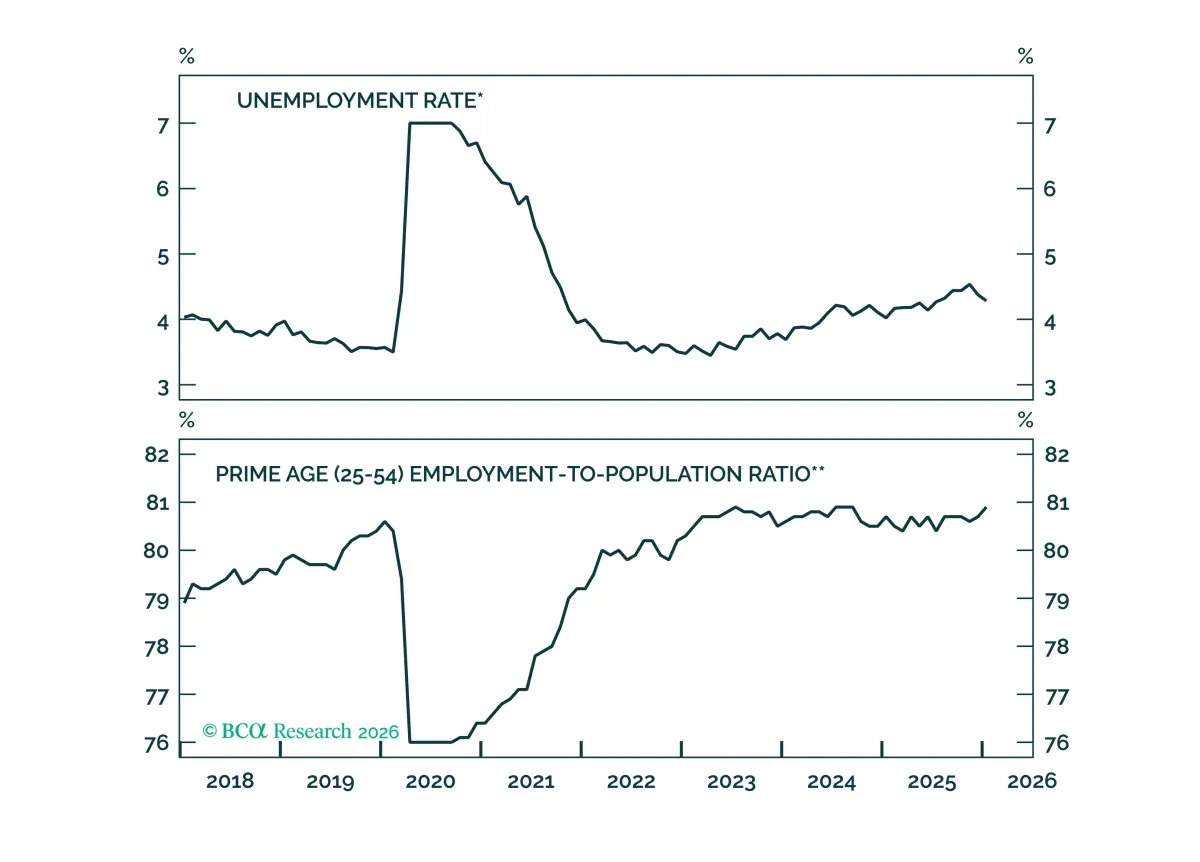
The January jobs report was unambiguously strong. Although the 172K gain in private payrolls will almost certainly be revised down, the message from the "ratios" was reassuring: The unemployment rate fell for a second straight month, the labor force participation rate increased, the share of workers...
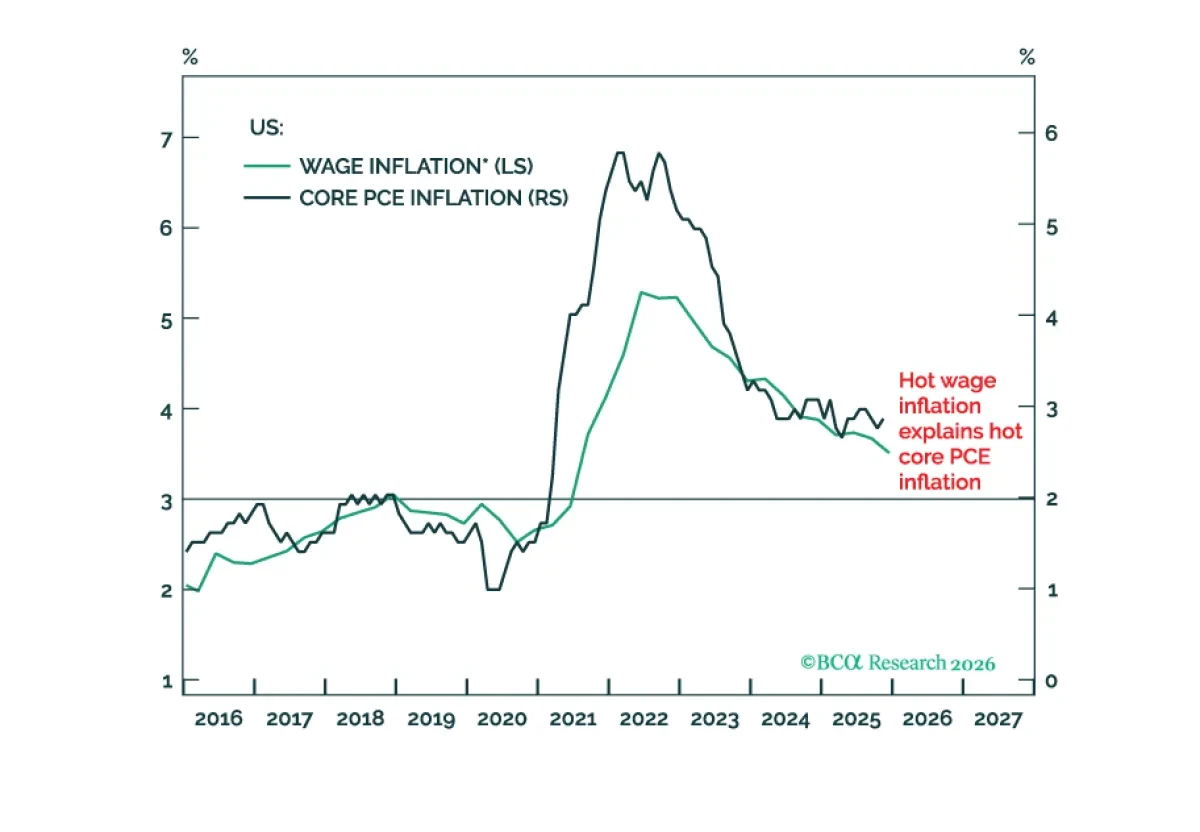
The labor market tightened in January, significantly lowering the odds of a H1 2026 rate cut. Rate cuts driven by lower inflation are still likely in H2 2026....
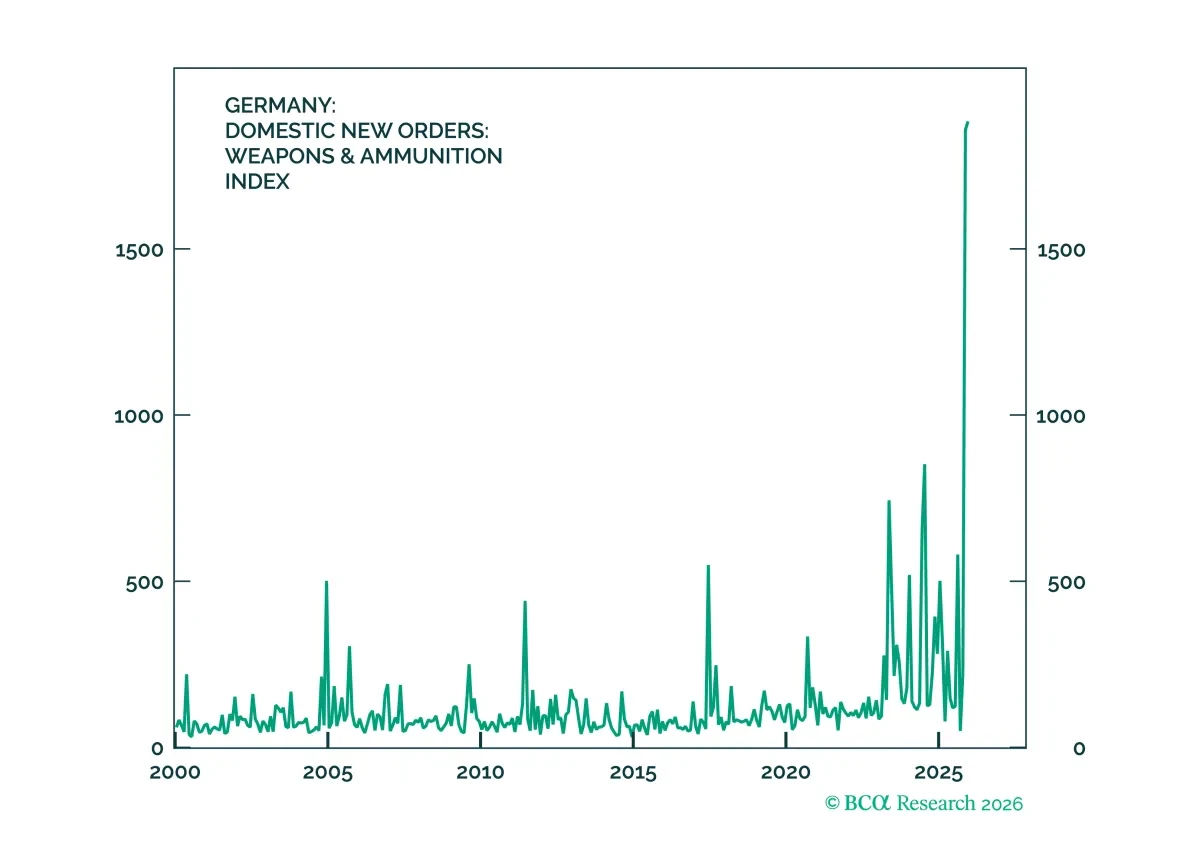
Beyond the imminent SCOTUS ruling, we revisit our bullish Europe thesis – with the Chart of the Month suggesting that Germany is so back – as well as our bearish USD view. Also, a few charts on oil and geopolitics....
The yen carry trade will unwind this year. However, it will be triggered by a drop in “carry asset” prices and a spike in the JPY/USD, rather than by Japan’s improving interest rate differentials. Go long JPY against the USD....
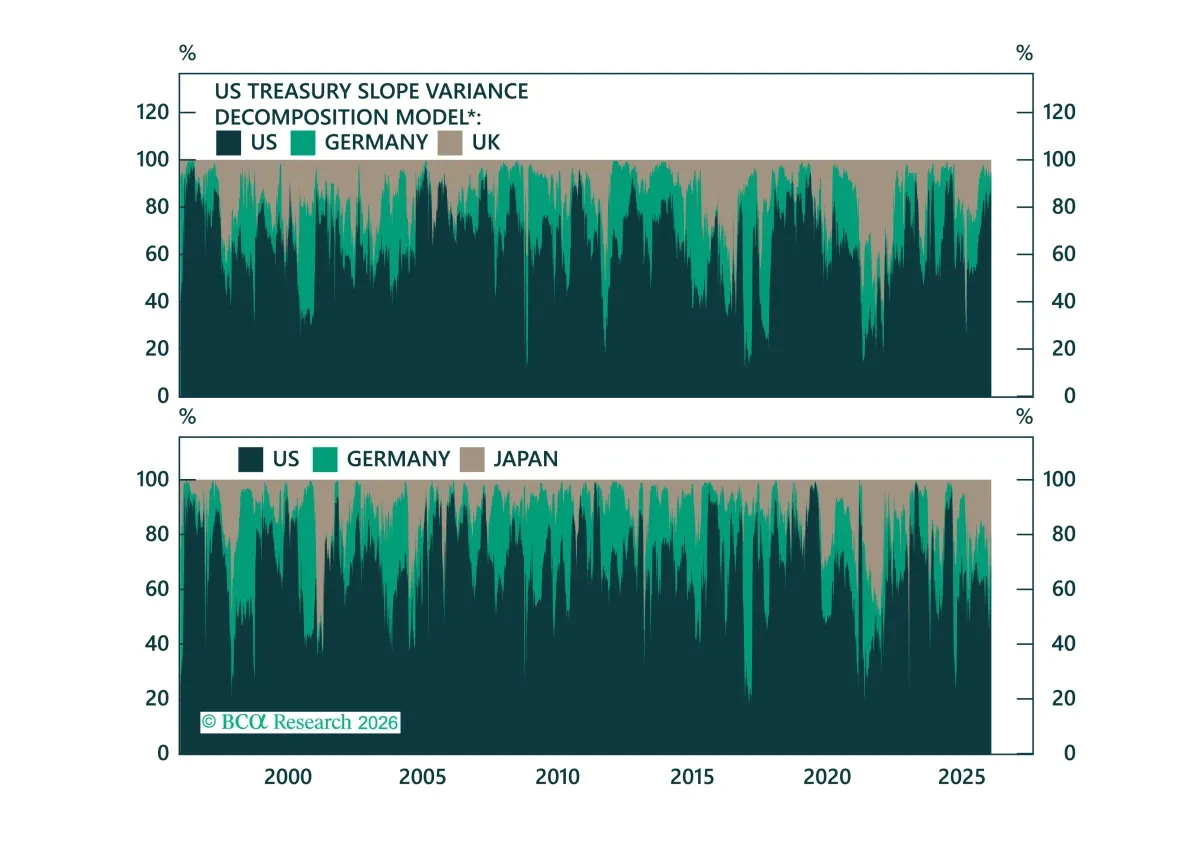
What’s driving government bond yields, and how do different bond markets impact each other? In today's Strategy Insight, we decompose yield moves into global drivers and idiosyncratic local drivers....