Latest from BCA Research
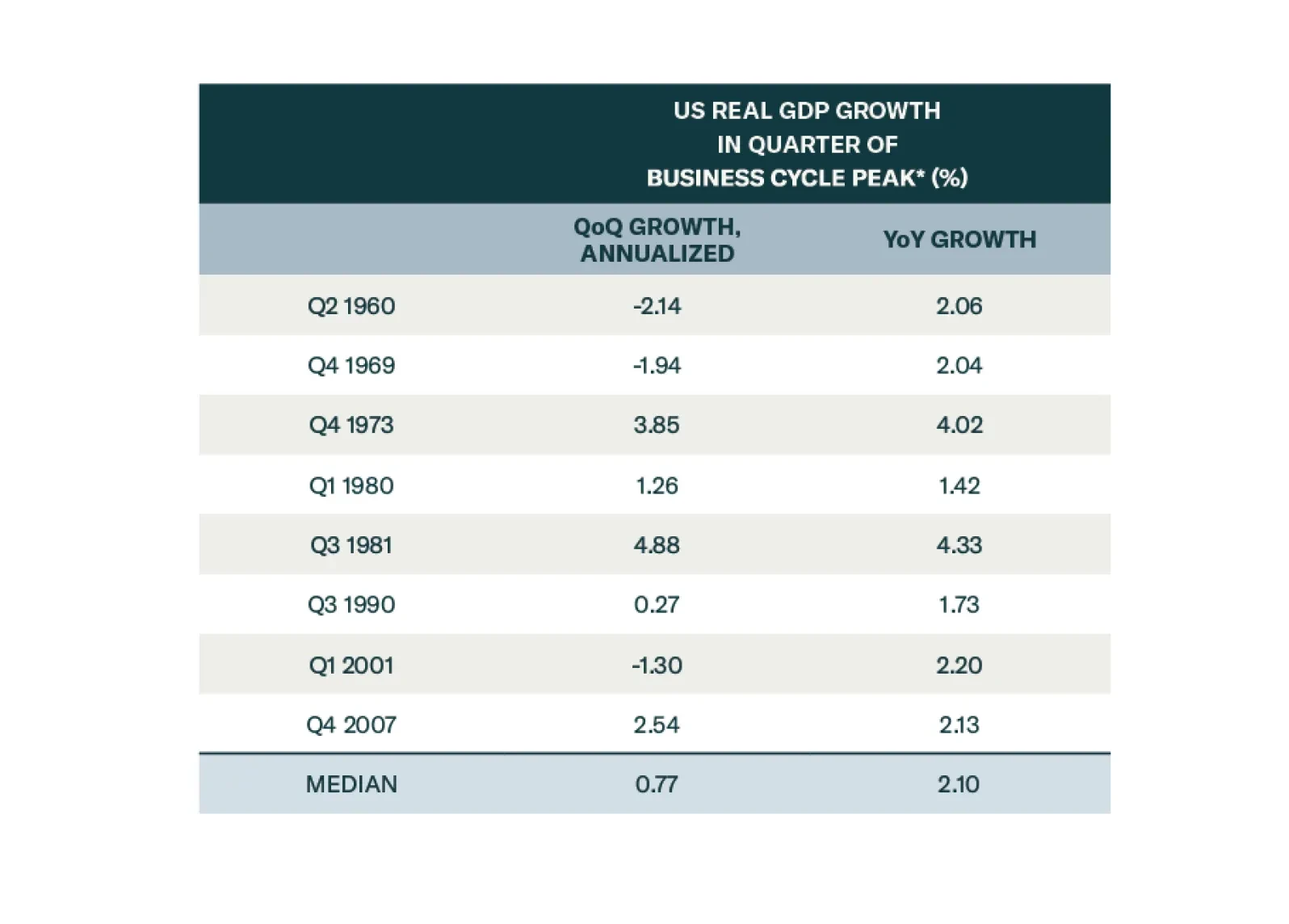
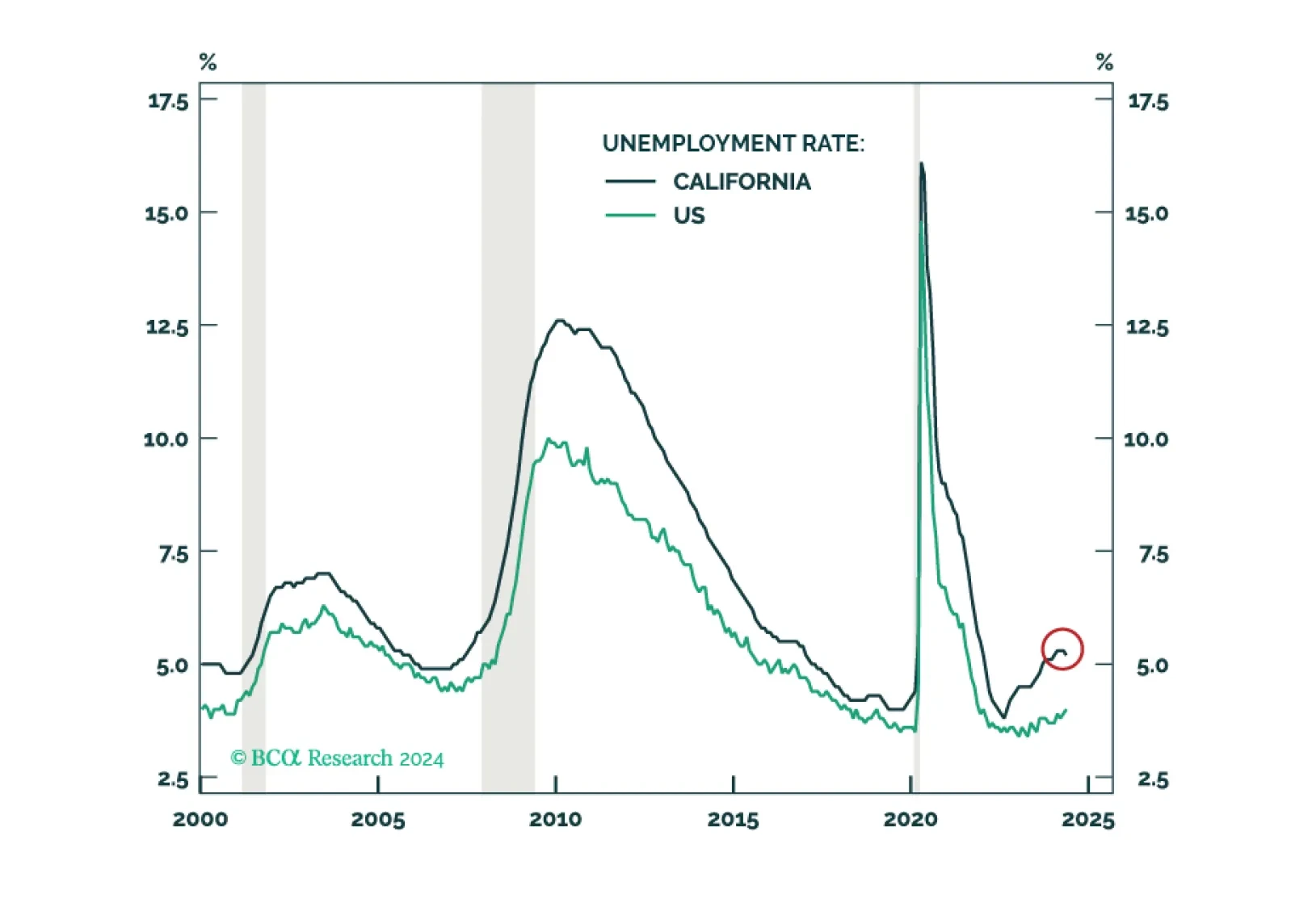
The consensus soft-landing narrative is wrong. The US will fall into a recession in late 2024 or early 2025. We were tactically bullish on stocks most of last year, turned neutral earlier this year, and are going underweight today. We conservatively expect the S&P 500 to drop to 3750 during the coming recession.
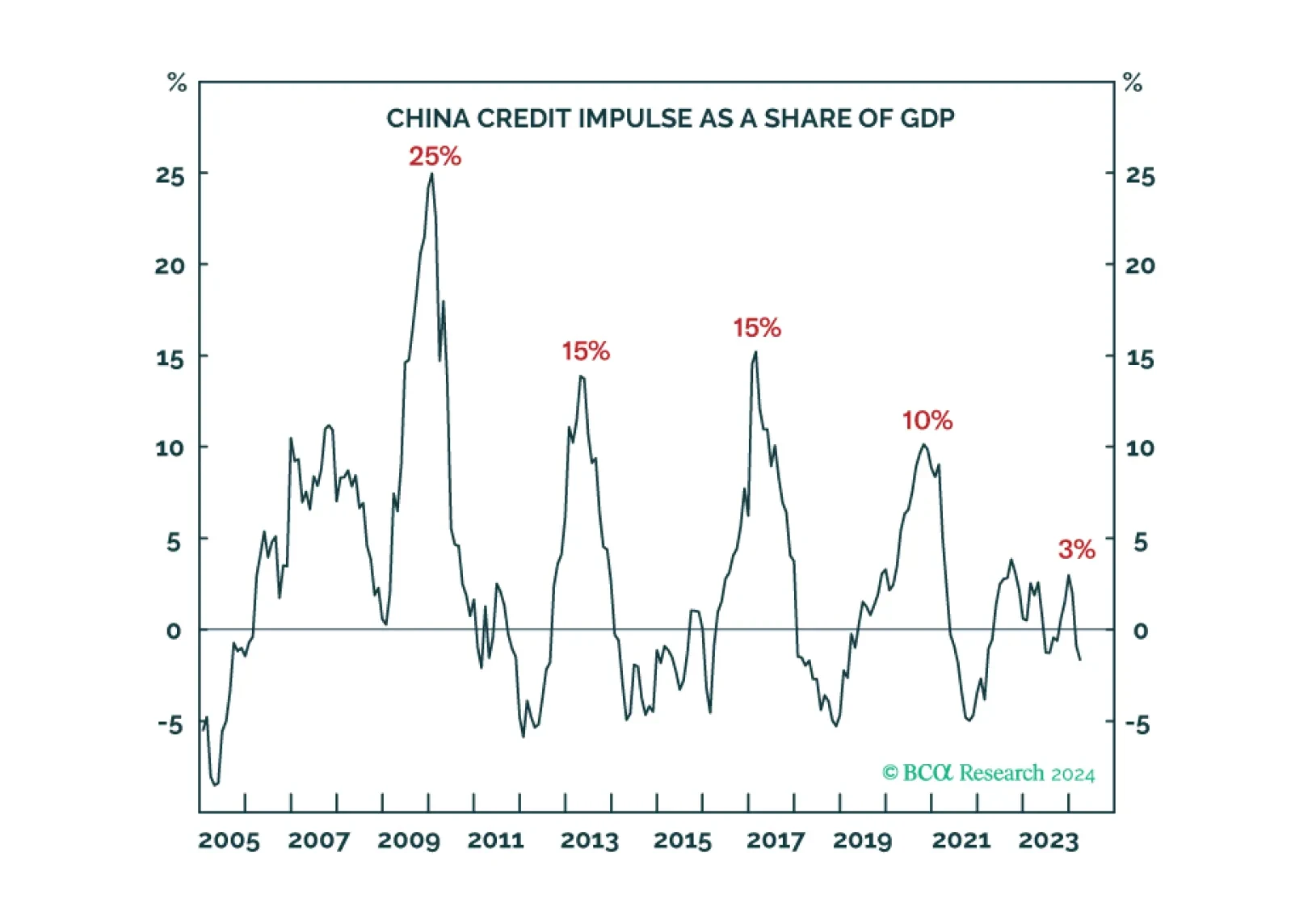
The end of China’s exponential credit growth will impede structural rallies in Chinese stocks and commodities, but US superstar stocks’ bubble-like valuations will impede them too. Leaving European stocks as the likely structural outperformer. Plus: copper is correcting, NVDA is consolidating.
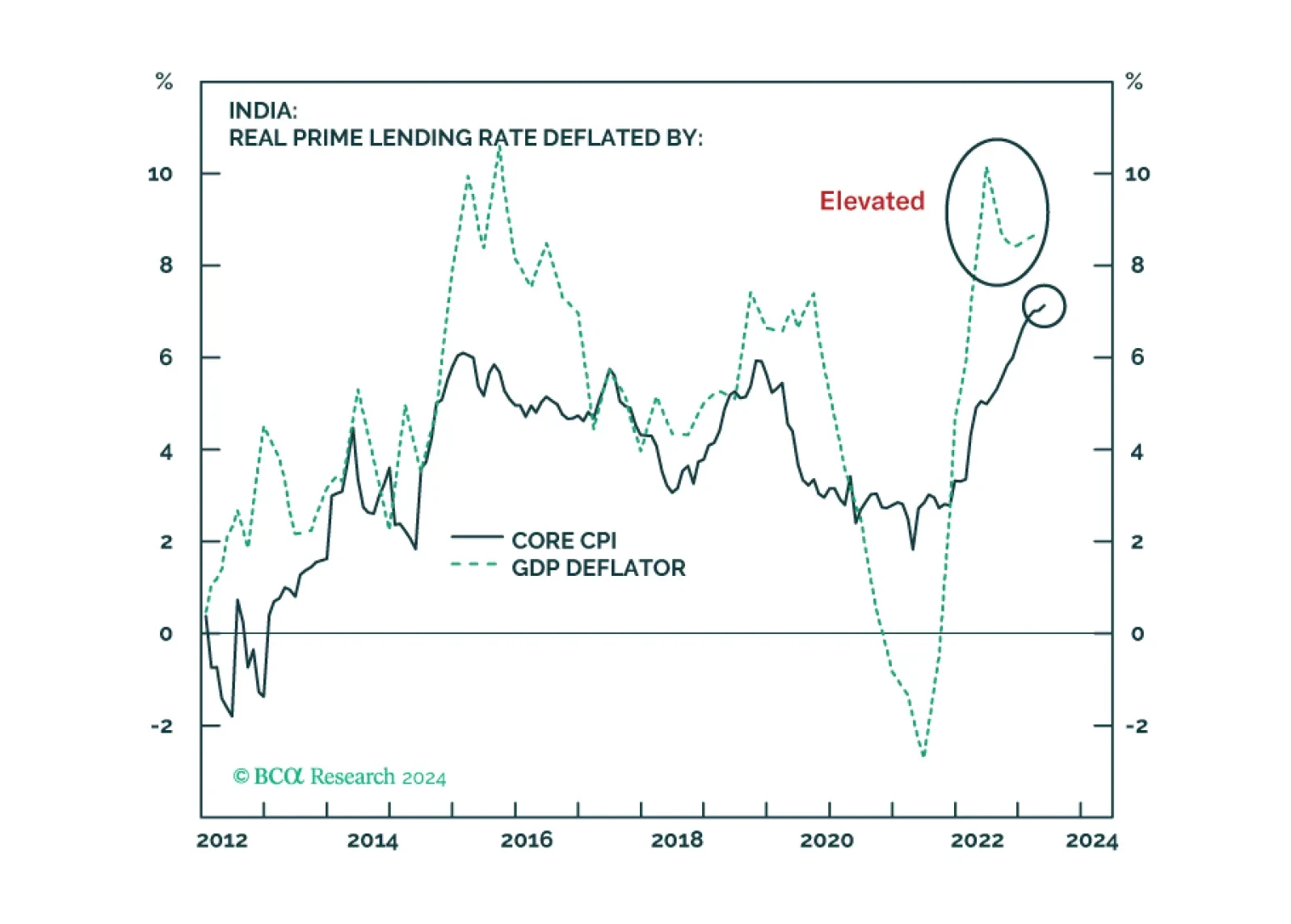
The Indian election outcome is a positive development for the country’s long-term socio-economic outlook. Indian stocks, however, remain vulnerable in the near term due to sharply slowing nominal sales and surging real borrowing costs. Indian domestic bonds, on the other hand, are a buy.
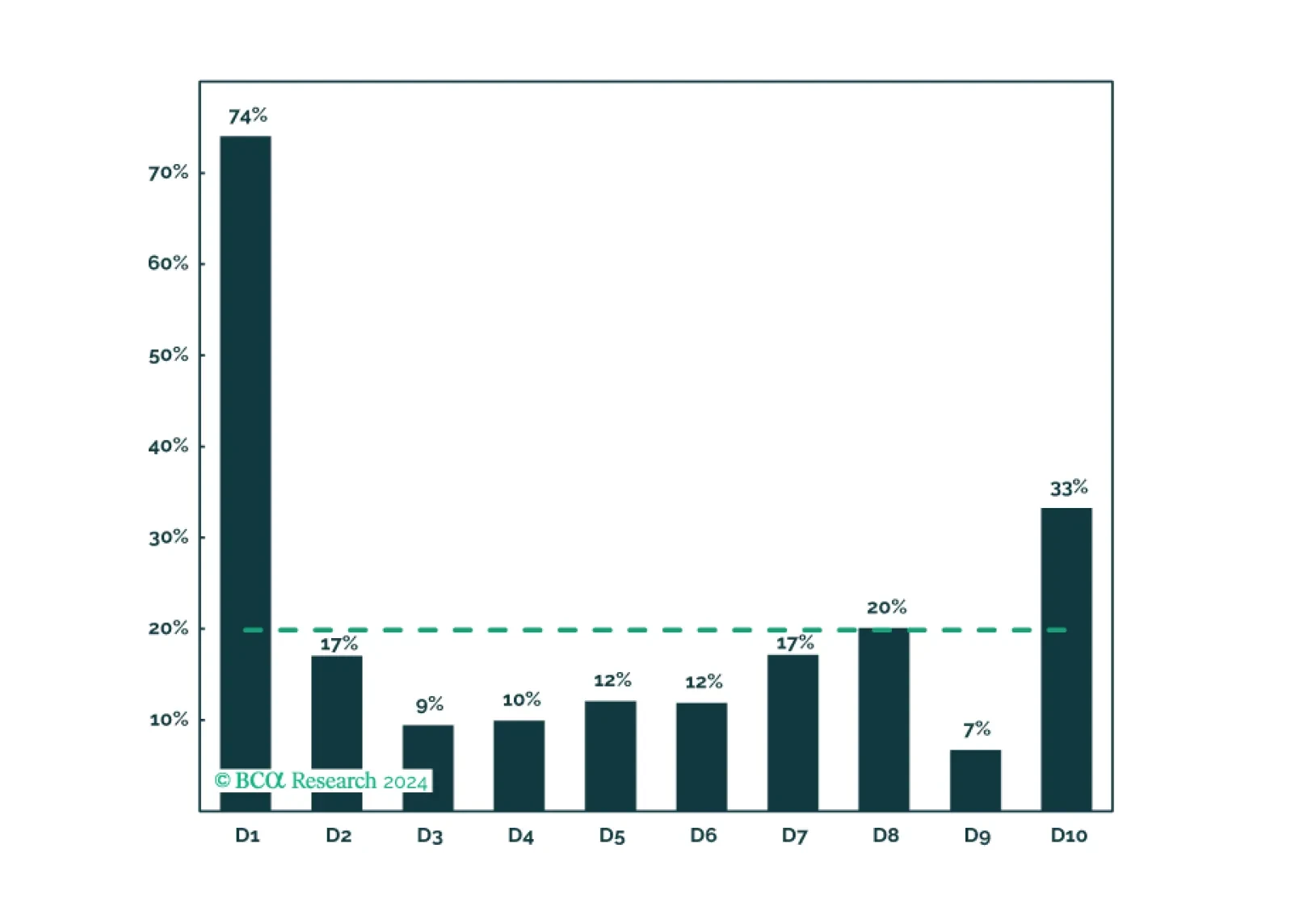
Today’s report recaps last week’s webcast and elaborates on its themes, delving into the empirical evidence underpinning our conviction that asset allocators should underweight equities sparingly and fleetingly. We remain tactically neutral and cyclically bearish.

Is the BoE making a mistake moving toward rate cuts before the end of the summer? What would such a move mean for UK asset prices?
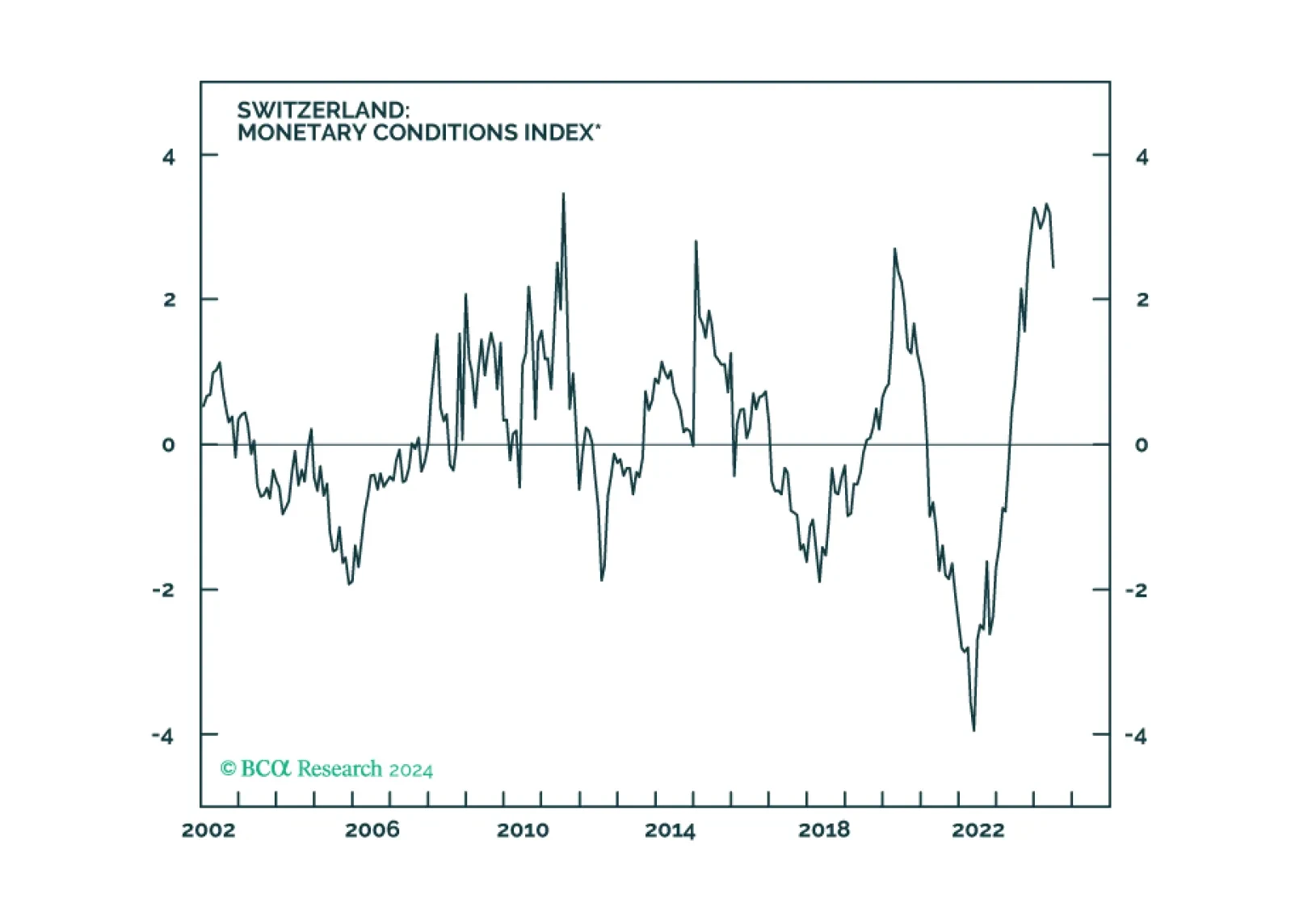
We look at the implications a various European central bank meetings this week, for currency strategy.

To reduce the Chinese economy’s addiction to credit and use new credit to foster growth, authorities must restructure or shut down numerous negative cash flow enterprises. Slumping US and global growth will lead to lower US bond yields. Yet, the trade-weighted greenback will likely appreciate if global risk assets sell off.